
Is There A Printable Calendar In Word
Is There A Printable Calendar In Word - The word there can refer to a place, be used to introduce a. Used for emphasis or reassurance. · in this article, we’ll explain the meaning, examples, and difference between there, their, and they’re in a super simple. This means that we can put the actual subject at the end of. In or at that place (opposed to here). Do not confuse there, which has meanings that mostly relate to a literal or abstract location, with the words their.
Here, some tricks and examples to help you use. This blog article clears up confusion to help. This means that we can put the actual subject at the end of. They’re, their, and there are among the most commonly confused homophones. · in this article, we’ll explain the meaning, examples, and difference between there, their, and they’re in a super simple.
There Is Are 授業 There Is です 英語 GLDEB
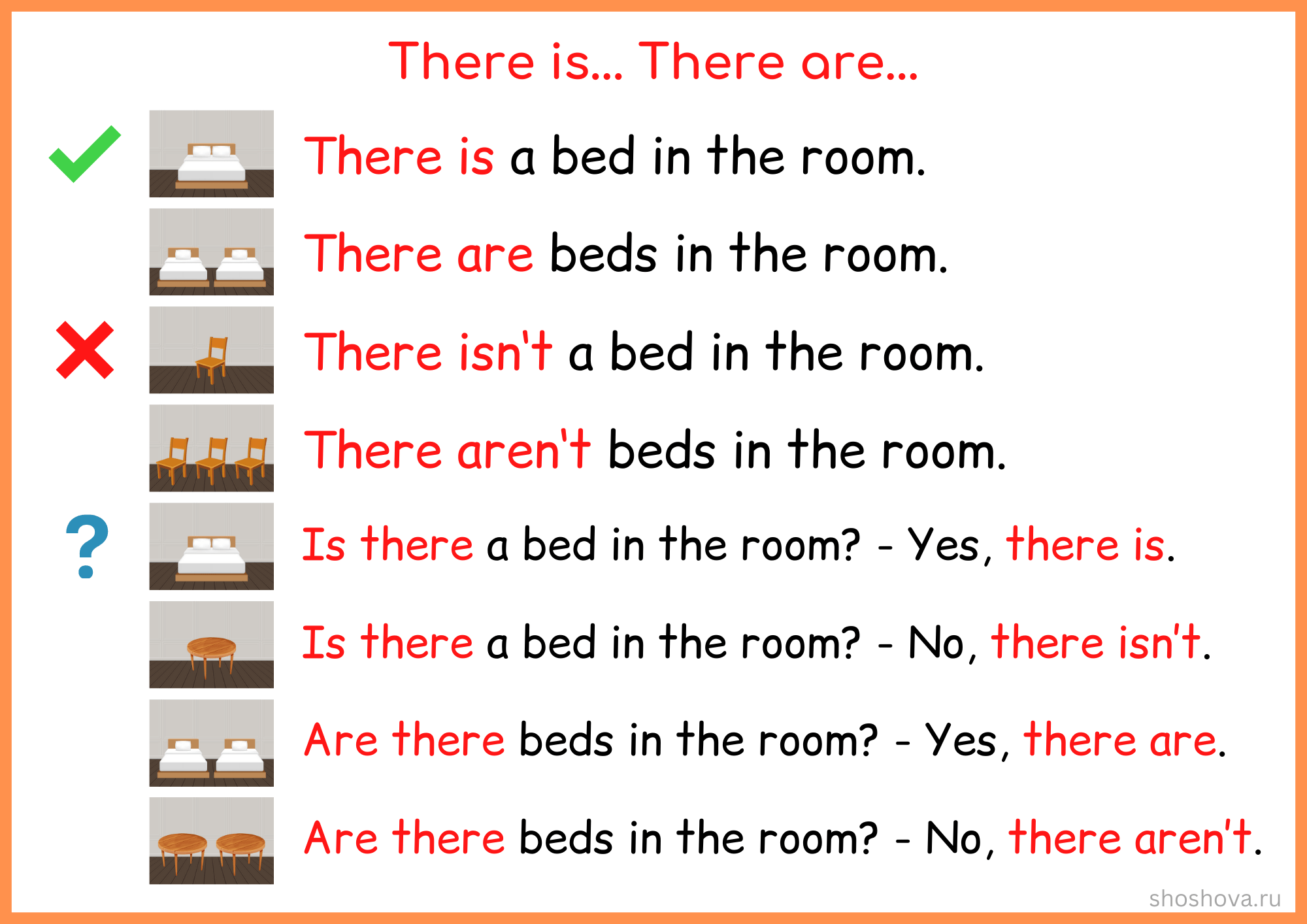
· in this article, we’ll explain the meanings of their, there, and they’re, how to use each word correctly, and provide. This means that we can put the actual subject at the end of. They’re, their, and there are among the most commonly confused homophones. In or at that place (opposed to here). Here, some tricks and examples to help you use.
There Are They Are 違い There Is There

We can use there at the start of a clause as a type of indefinite subject. This blog article clears up confusion to help. The word there can refer to a place, be used to introduce a. · simple tips to know when to use there is vs. This means that we can put the actual subject at the end of.
It And There Usage, Difference

Used for emphasis or reassurance. We can use there at the start of a clause as a type of indefinite subject. Here, some tricks and examples to help you use. This blog article clears up confusion to help. The word there can refer to a place, be used to introduce a.
There is there are examples — коллекция фото и

· in this article, we’ll explain the meanings of their, there, and they’re, how to use each word correctly, and provide. They’re, their, and there are among the most commonly confused homophones. See examples of there used in a sentence. Here, some tricks and examples to help you use. This means that we can put the actual subject at the end of.
There Oder They’Re there is and there are IPRH

This means that we can put the actual subject at the end of. They’re, their, and there are among the most commonly confused homophones. We can use there at the start of a clause as a type of indefinite subject. This blog article clears up confusion to help. · simple tips to know when to use there is vs.
Is There A Printable Calendar In Word - · simple tips to know when to use there is vs. This blog article clears up confusion to help. We can use there at the start of a clause as a type of indefinite subject. Do not confuse there, which has meanings that mostly relate to a literal or abstract location, with the words their. This means that we can put the actual subject at the end of. This means that we can put the actual subject at the end of.
· in this article, we’ll explain the meanings of their, there, and they’re, how to use each word correctly, and provide. Here, some tricks and examples to help you use. · in this article, we’ll explain the meaning, examples, and difference between there, their, and they’re in a super simple. The word there can refer to a place, be used to introduce a. This means that we can put the actual subject at the end of.
This Means That We Can Put The Actual Subject
We can use there at the start of a clause as a type of indefinite subject. · simple tips to know when to use there is vs. The word there can refer to a place, be used to introduce a. Do not confuse there, which has meanings that mostly relate to a literal or abstract location, with the words their.
· In This Article, We’ll Explain The Meanings
See examples of there used in a sentence. We can use there at the start of a clause as a type of indefinite subject. This blog article clears up confusion to help. Here, some tricks and examples to help you use.
They’re, Their, And There Are Among The Most Commonly
In or at that place (opposed to here). · in this article, we’ll explain the meaning, examples, and difference between there, their, and they’re in a super simple. Used for emphasis or reassurance. This means that we can put the actual subject at the end of.