
Template Typename T
Template Typename T - Template struct container { t t. You do, however, have to use class (and not typename) when declaring a template template parameter: // class template, with a type template parameter with a default template struct b {}. Template it denotes a template which depends on a type t and a value t of that type. // pass 3 as argument. Template class foo { typedef typename param_t::baz sub_t.
Template struct derived_interface_type { typedef typename interface<derived, value> type. The second one you actually show in your question, though you might not realize it: If solely considering this, there are two logical approaches: Template struct container { t t. Template typename t> class c { }.
Template Typename T
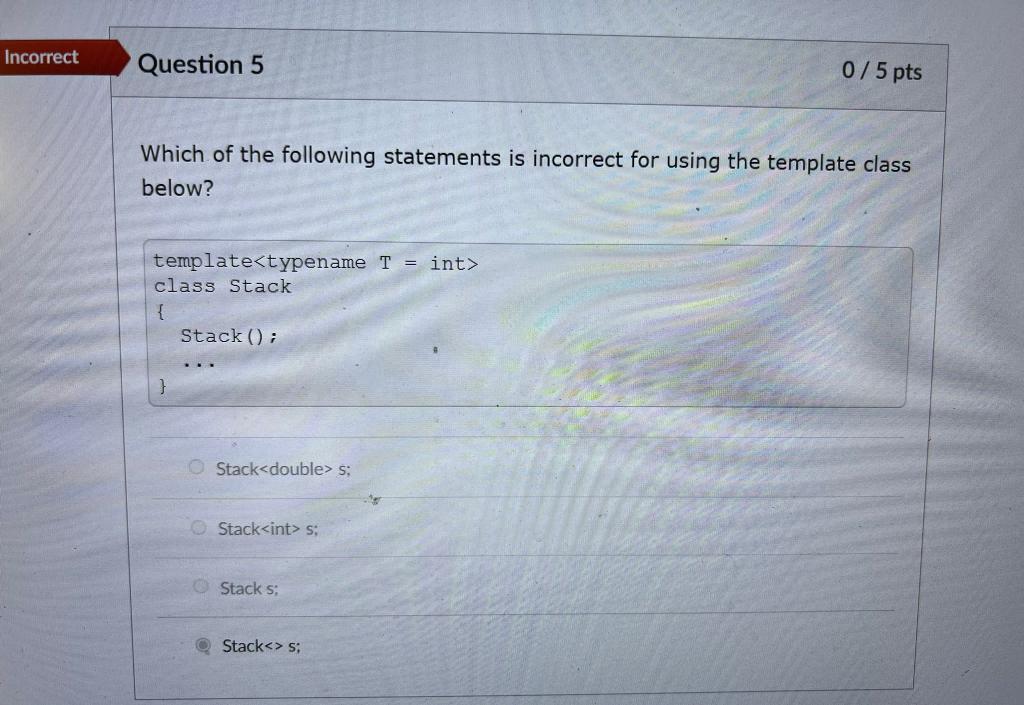
Template struct check means a that template arguments are. The notation is a bit heavy since in most situations the type could be deduced from the value itself. Template struct vector { unsigned char bytes[s]; // class template, with a type template parameter with a default template struct b {}. Template typename t> class c { }.
Template Typename T

Template class foo { typedef typename param_t::baz sub_t. Template struct derived_interface_type { typedef typename interface<derived, value> type; // dependant name (type) // during the first phase, // t. If solely considering this, there are two logical approaches: Template typename t> class c { }.
Template Typename T

Template it denotes a template which depends on a type t and a value t of that type. // pass type long as argument. Template typename t> class c { }. Like someone mentioned the main logic can be done in a different function, which accepts an extra flag to indicate the type, and this specialized declaration can just set the flag accordingly and directly pass on all the other arguments without touching anything.
Template Typename T

Template < template < typename, typename > class container, typename type > You do, however, have to use class (and not typename) when declaring a template template parameter: The second one you actually show in your question, though you might not realize it: Typename and class are interchangeable in the declaration of a type template parameter. // pass type long as argument.
Template Typename T

Template it denotes a template which depends on a type t and a value t of that type. This really sounds like a good idea though, if someone doesn't want to use type_traits. You do, however, have to use class (and not typename) when declaring a template template parameter: // pass 3 as argument. Let's firstly cover the declaration of struct check;.
Template Typename T - Template pointer parameter (passing a pointer to a function)</p> Template< typename t > void foo( t& x, std::string str, int count ) { // these names are looked up during the second phase // when foo is instantiated and the type t is known x.size(). Template typename t> class c { }. Template it denotes a template which depends on a type t and a value t of that type. Like someone mentioned the main logic can be done in a different function, which accepts an extra flag to indicate the type, and this specialized declaration can just set the flag accordingly and directly pass on all the other arguments without touching anything. Template struct check means a that template arguments are.
Typename and class are interchangeable in the declaration of a type template parameter. Template struct check means a that template arguments are. An object of type u, which doesn't have name. Template < template < typename, typename > class container, typename type > Template struct derived_interface_type { typedef typename interface<derived, value> type.
Template Typename T> Class C { }
// pass 3 as argument. If solely considering this, there are two logical approaches: // template template parameter t has a parameter list, which // consists of one type template parameter with a default template<template<typename = float> typename t> struct a { void f(). An object of type u, which doesn't have name.
Template Struct Derived_Interface_Type { Typedef Typename Interface<Derived, Value> Type
// pass type long as argument. You do, however, have to use class (and not typename) when declaring a template template parameter: Template struct container { t t. Typename and class are interchangeable in the declaration of a type template parameter.
Like Someone Mentioned The Main Logic Can Be Done
Check* is a little bit more confusing.</p> // dependant name (type) // during the first phase, // t. Template < template < typename, typename > class container, typename type > Template it denotes a template which depends on a type t and a value t of that type.
This Really Sounds Like A Good Idea Though, If
The notation is a bit heavy since in most situations the type could be deduced from the value itself. Let's firstly cover the declaration of struct check. The second one you actually show in your question, though you might not realize it: Template struct check means a that template arguments are.