
Template To Keep Track Of Samples Obtained During A Bronchoscopy
Template To Keep Track Of Samples Obtained During A Bronchoscopy - However, without a well-organized system, the process can become chaotic, leading to missed samples or confusion about which sample belongs to which patient. Accurate patient identification is crucial in preventing mix-ups, especially in busy healthcare settings. Understanding the Importance of Sample Tracking in Bronchoscopy. By prioritizing accurate sample tracking through a well-designed template, healthcare providers can enhance diagnostic accuracy, improve patient safety, and ultimately contribute to better health outcomes for those undergoing bronchoscopy. Furthermore, it’s essential to note the purpose of the sample, such as whether it is for diagnosing a suspected infection, cancer, or other pulmonary conditions. Lastly, encourage feedback from the medical team on the template’s usability and effectiveness, as this can lead to continuous improvement.
This comprehensive structure not only aids in record-keeping but also improves the overall workflow during and after the bronchoscopy. In this article, we will explore the components of an effective bronchoscopy sample tracking template and how it can enhance patient safety and care quality. Keeping track of these samples is essential for accurate diagnosis, treatment planning, and patient care. Begin by training the staff involved in the bronchoscopy process on how to use the template properly. However, without a well-organized system, the process can become chaotic, leading to missed samples or confusion about which sample belongs to which patient.
Bronchoscopy Artofit

In this article, we will explore the components of an effective bronchoscopy sample tracking template and how it can enhance patient safety and care quality. Furthermore, it’s essential to note the purpose of the sample, such as whether it is for diagnosing a suspected infection, cancer, or other pulmonary conditions. Additionally, consider integrating the template into electronic health record (EHR) systems to streamline data entry and retrieval.
Bronchoscopy Gateway Regional Medical Center

Digital templates can often be designed to auto-fill certain fields or generate alerts for missing information, reducing human error. Lastly, encourage feedback from the medical team on the template’s usability and effectiveness, as this can lead to continuous improvement. During this procedure, samples such as tissue biopsies, bronchial washings, or aspirates are often collected for further analysis. Bronchoscopy is a critical medical procedure used to examine the airways and lungs, allowing doctors to diagnose and treat various conditions.
Bronchoscopy Form PDF

Additionally, consider integrating the template into electronic health record (EHR) systems to streamline data entry and retrieval. Regularly review and update the template to ensure it remains relevant and meets the needs of your clinical setting, especially as new technologies or procedures arise. It can also streamline communication between healthcare providers involved in the patient's care, making it easier to share critical findings and make informed decisions.
Bronchoscopy Montgomery Pulmonary Consultants

Additionally, consider integrating the template into electronic health record (EHR) systems to streamline data entry and retrieval. Bronchoscopy is a critical medical procedure used to examine the airways and lungs, allowing doctors to diagnose and treat various conditions. In this article, we will explore the components of an effective bronchoscopy sample tracking template and how it can enhance patient safety and care quality.
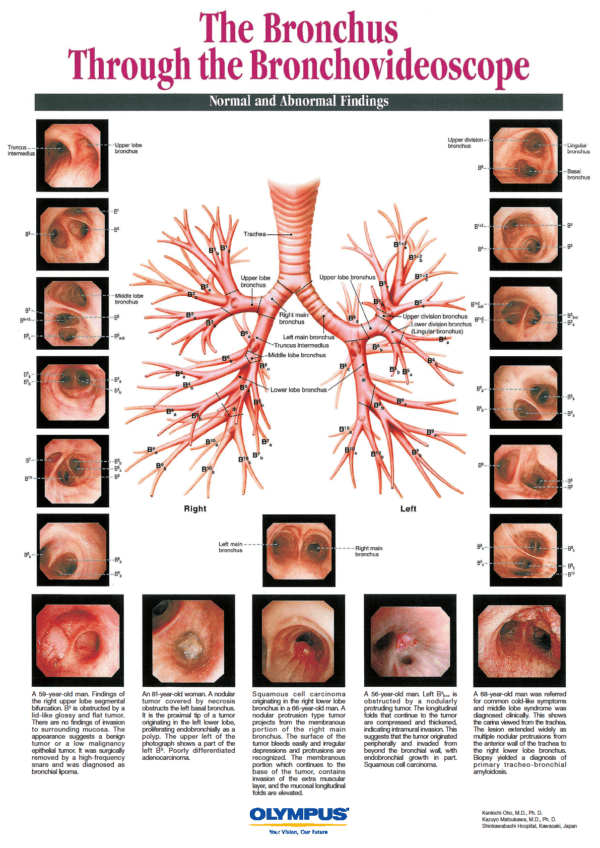
The Bronchus Through the Bronchovideoscope Poster Olympus
Once you have developed a bronchoscopy sample tracking template, it’s important to implement it effectively within your medical practice or institution. A tracking template should also provide space for the clinician’s notes and observations during the procedure, as these insights can be invaluable for pathologists reviewing the samples. Accurate patient identification is crucial in preventing mix-ups, especially in busy healthcare settings.
Template To Keep Track Of Samples Obtained During A Bronchoscopy - Lastly, encourage feedback from the medical team on the template’s usability and effectiveness, as this can lead to continuous improvement. Additionally, consider integrating the template into electronic health record (EHR) systems to streamline data entry and retrieval. Key Components of a Bronchoscopy Sample Tracking Template. Keeping track of these samples is essential for accurate diagnosis, treatment planning, and patient care. This includes the patient's name, date of birth, medical record number, and the date of the bronchoscopy. Next, the template should have a section for documenting the type of sample collected, whether it’s a biopsy, washings, or aspirates.
Additionally, consider integrating the template into electronic health record (EHR) systems to streamline data entry and retrieval. Furthermore, it’s essential to note the purpose of the sample, such as whether it is for diagnosing a suspected infection, cancer, or other pulmonary conditions. Understanding the Importance of Sample Tracking in Bronchoscopy. A tracking template should also provide space for the clinician’s notes and observations during the procedure, as these insights can be invaluable for pathologists reviewing the samples. Keeping track of these samples is essential for accurate diagnosis, treatment planning, and patient care.
Once You Have Developed A Bronchoscopy Sample Tracking Template,
Understanding the Importance of Sample Tracking in Bronchoscopy. An effective bronchoscopy sample tracking template should include several key components to ensure comprehensive documentation. This comprehensive structure not only aids in record-keeping but also improves the overall workflow during and after the bronchoscopy. Next, the template should have a section for documenting the type of sample collected, whether it’s a biopsy, washings, or aspirates.
Encourage Feedback From The Medical Team On The Template’s
Begin by training the staff involved in the bronchoscopy process on how to use the template properly. This section should also include the site from which the sample was obtained, as different lung areas can yield different information. Keeping track of these samples is essential for accurate diagnosis, treatment planning, and patient care. Furthermore, it’s essential to note the purpose of the sample, such as whether it is for diagnosing a suspected infection, cancer, or other pulmonary conditions.
In This Article, We Will Explore The Components
Bronchoscopy is a critical medical procedure used to examine the airways and lungs, allowing doctors to diagnose and treat various conditions. During this procedure, samples such as tissue biopsies, bronchial washings, or aspirates are often collected for further analysis. Regularly review and update the template to ensure it remains relevant and meets the needs of your clinical setting, especially as new technologies or procedures arise. By prioritizing accurate sample tracking through a well-designed template, healthcare providers can enhance diagnostic accuracy, improve patient safety, and ultimately contribute to better health outcomes for those undergoing bronchoscopy.
Without A Well-Organized System, The Process Can Become Chaotic,
First, patient information is paramount. Additionally, consider integrating the template into electronic health record (EHR) systems to streamline data entry and retrieval. This is where a template for tracking samples can come in handy. Lastly, consider including a section for tracking the sample's fate post-collection, such as when it was sent to the lab and when results are expected or received.