
Obsidian Templater Header Example
Obsidian Templater Header Example - With plugins such as dataview, templater (some examples), periodic notes, and more, obsidian’s possibilities have expanded a thousandfold! Bergs example there are things to keep in mind when using templater and dataview. Templates in obsidian are helpful in many ways, but sometimes you need some template ideas. So for instance something like “{header1}” being the text of the first header of the file, “{header2}” being the second text, etc. Those can be rather complex but they do interesting things. You can create templates just like any other note in obsidian, except that as well as the usual markdown content, you can also specify more dynamic elements using templater’s syntax (based on eta).
Your post sounds like you want to embed a file in another file which you can do by adding ![[filename]] or ![[filename#heading]] if you just want to add a section of that file. It looks unformatted and for example the participants and tags are not removable bubbles anymore. As just right off my first issue is “how would it define where the data comes from?” and the only answer i would have is based off heading count. A text snippet that starts with an. Obsidian on desktop or phone/tablet.
TEMPLATE My Premium Obsidian Daily Note Template

Those can be rather complex but they do interesting things. I also posted in obsidian discord server in the plugins channel. On the weekend i don't need the agenda header so i check the day of the week. It replaces templater code within the currently open file, so you don’t have to load an external template. The showcase link has several pages of templater examples that used javascript.
GitHub dmscode/ObsidianTemplates 我在 Obsidian 中用的各种模板(Dataview

If you haven’t set up obsidian yet, read this. Learn what templates are and how you can use them with lots of great obsidian template examples. With templater, you will be able to create powerful templates to automate manual tasks. Getting started with the templater obsidian plugin? It looks unformatted and for example the participants and tags are not removable bubbles anymore.
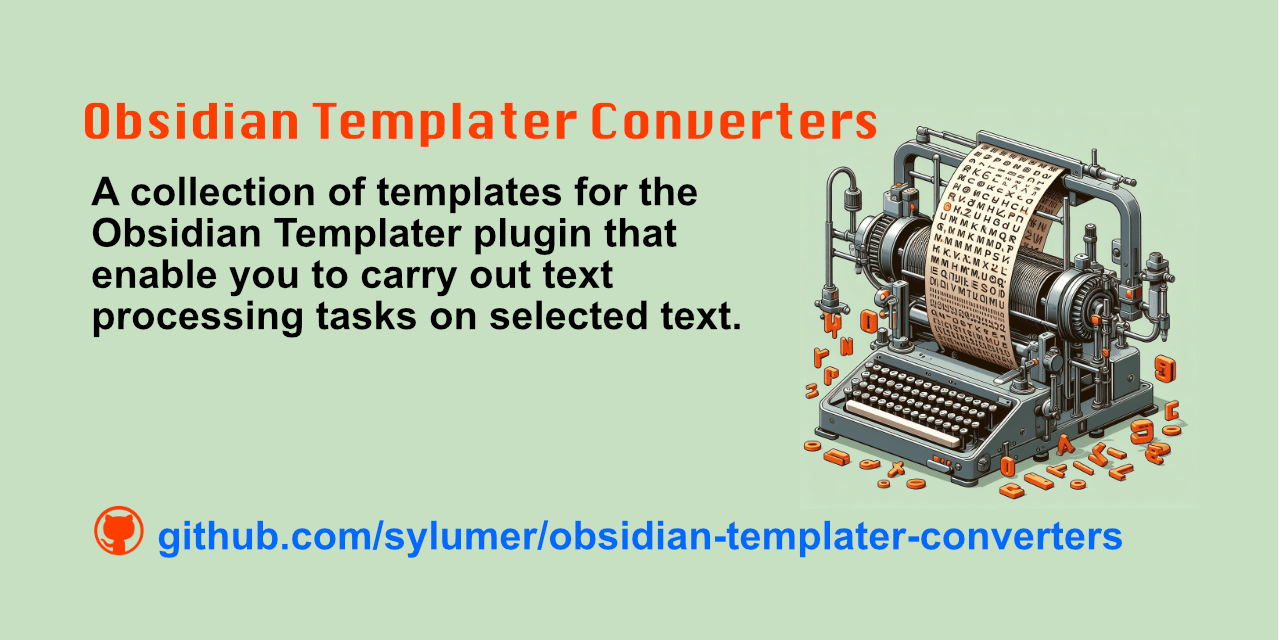
GitHub sylumer/obsidiantemplaterconverters Obsidian Templater
# heading ## subheading {{tp_heading}} Replace templates in the active file” in the command menu), then templater replaces ‘<% tp.file.title %>’ with the actual title of the note. @silentvoid13 feel free to add this video to your gh readme. Templater is a template language that lets you insert variables and functions results into your obsidian notes. Here’s a list of commands to experiment with.
Theme obsidianandygruv Share & showcase Obsidian Forum

Templater is a template language that lets you insert variables and functions results into your obsidian notes. So for instance something like “{header1}” being the text of the first header of the file, “{header2}” being the second text, etc. This guide aims to provide you with the necessary knowledge to become a templater power user, covering installation, key concepts, and practical examples.
Obsidian Template Gallery

A text snippet that starts with an. Go to the community plugins tab within obsidian, search for templater, and install it. With plugins such as dataview, templater (some examples), periodic notes, and more, obsidian’s possibilities have expanded a thousandfold! You can create templates just like any other note in obsidian, except that as well as the usual markdown content, you can also specify more dynamic elements using templater’s syntax (based on eta).
Obsidian Templater Header Example - The following template file, that is using. Here’s a list of commands to experiment with. Learn what templates are and how you can use them with lots of great obsidian template examples. Getting started with the templater obsidian plugin? The showcase link has several pages of templater examples that used javascript. In order to bring together the great minds of this community, let’s share our note templates and metadata templates.
Templater is a template language that lets you insert variables and functions results into your notes. Here’s how you can create an internal link in a template that will create a new file only if it doesn’t already exist. Snippets i’ve written for the templater obsidian plugin. However, using that in my template breaks the header of the new notes. Like, you type <% tp.file.last_modified_date() %> , then press alt/opt+r and you’ll get the file’s last modified date and time.
For Instance Something Like “{Header1}” Being The Text
Bergs example there are things to keep in mind when using templater and dataview. Go to the community plugins tab within obsidian, search for templater, and install it. Here’s a list of commands to experiment with. I havent found any information about this however, and hope i.
The Following Template File, That Is Using
The developer also lists an alternative plugin such as obsidian temple. With plugins such as dataview, templater (some examples), periodic notes, and more, obsidian’s possibilities have expanded a thousandfold! All of these templater scripts are collected from templater’s discussion,. For example, when placed here:
Templater Is A Template Language That Lets You Insert
What would my syntax be to do the following: One of my favorite obsidian plugins is templater, which lets you create reusable templates in your notes vault! Learn what templates are and how you can use them with lots of great obsidian template examples. Snippets i’ve written for the templater obsidian plugin.
If (Today Is Friday) { ‘Show This’ } Else
As just right off my first issue is “how would it define where the data comes from?” and the only answer i would have is based off heading count. If you haven’t set up obsidian yet, read this. Obsidian on desktop or phone/tablet. @silentvoid13 feel free to add this video to your gh readme.