
Bbp Exposure Control Plan Template
Bbp Exposure Control Plan Template - Bloodborne pathogens (bbp) standard (29 cfr 1919.1030). This example exposure control plan is designed to provide employees with a practical example of an exposure control plan, as is required under the bloodborne pathogens standard. Comply with the osha bloodborne pathogens standard 1910.1030. To assist employers, cal/osha has. The purpose of this exposure plan is to eliminate or minimize employee occupational exposure to blood or other potentially infectious materials (opim), identify employees occupationally. • , • • human immuno deficiency virus.
A basic bloodborne pathogens exposure control plan has been designed to provide streamlined implementation procedures. They are required to protect their employees by establishing, implementing, and maintaining a written bloodborne pathogens exposure control plan. This document contains a customizable example program for general industry workplaces with employee exposure to bloodborne pathogens, 1910.1030. The intent of this exposure control plan is to prevent bloodborne infections by eliminating or minimizing employee exposures to blood, blood products, and other potentially infectious. This example exposure control plan is designed to provide employees with a practical example of an exposure control plan, as is required under the bloodborne pathogens standard.
Bbp Exposure Control Plan Template

An exposure control plan is a written document required under osha’s bloodborne pathogens standard (29 cfr 1910.1030). The intent of this exposure control plan is to prevent bloodborne infections by eliminating or minimizing employee exposures to blood, blood products, and other potentially infectious. They are required to protect their employees by establishing, implementing, and maintaining a written bloodborne pathogens exposure control plan.
Bbp Exposure Control Plan Template Printable Word Searches

Its purpose is to identify and mitigate. This document contains a customizable example program for general industry workplaces with employee exposure to bloodborne pathogens, 1910.1030. The primary purpose of an exposure control plan is to limit or reduce the risk of occupational exposure to infectious substances as required by the osha bloodborne pathogen standard, This sample document can be used as a template for your own workplace exposure control plan, but you must tailor them to the specific.
Bbp Exposure Control Plan Template

They are required to protect their employees by establishing, implementing, and maintaining a written bloodborne pathogens exposure control plan. This document contains a customizable example program for general industry workplaces with employee exposure to bloodborne pathogens, 1910.1030. This publication includes a model exposure control plan to meet the requirements of the osha bloodborne pathogens standard and a model hazard communication program to meet the.
Exposure Control Plan Template
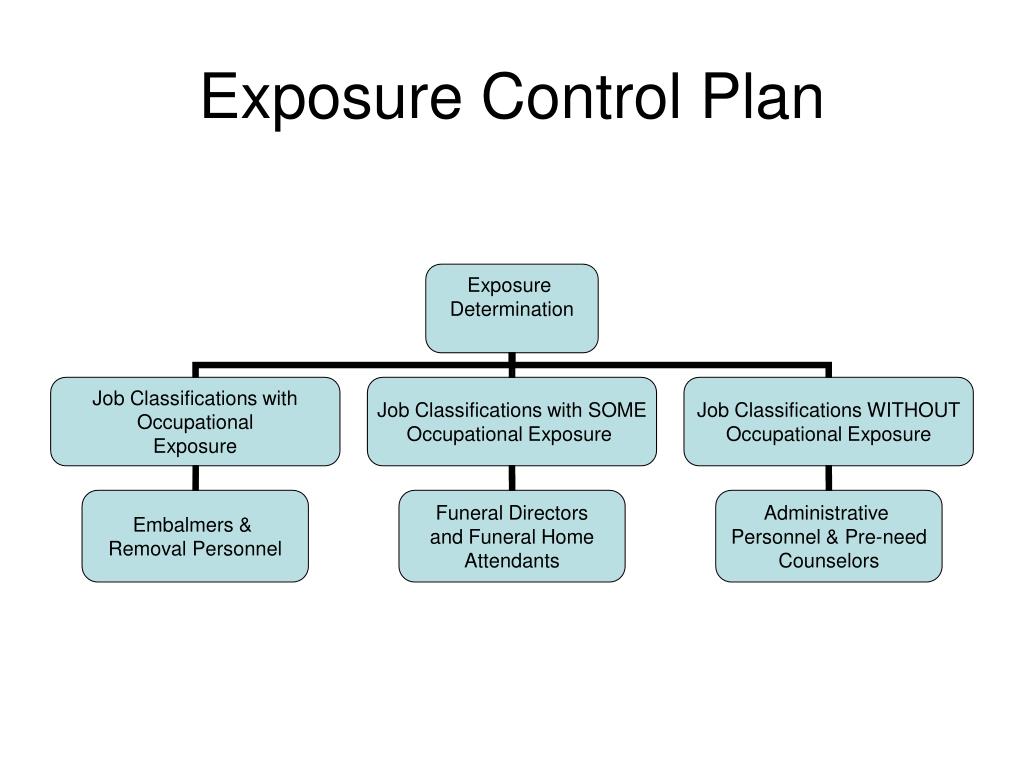
A basic bloodborne pathogens exposure control plan has been designed to provide streamlined implementation procedures. The primary purpose of an exposure control plan is to limit or reduce the risk of occupational exposure to infectious substances as required by the osha bloodborne pathogen standard, Comply with the osha bloodborne pathogens standard 1910.1030. This document contains a customizable example program for general industry workplaces with employee exposure to bloodborne pathogens, 1910.1030.
Bbp Exposure Control Plan Template

This exposure control plan is designed to eliminate or minimize employee occupational exposure to blood and certain other body fluids, in accordance with osha’s bloodborne pathogens. Bloodborne pathogens exposure control plan. Comply with the osha bloodborne pathogens standard 1910.1030. A basic bloodborne pathogens exposure control plan has been designed to provide streamlined implementation procedures. The primary purpose of an exposure control plan is to limit or reduce the risk of occupational exposure to infectious substances as required by the osha bloodborne pathogen standard,.
Bbp Exposure Control Plan Template - The document below is a slightly modified version of the model ecp found in osha’s booklet “model plans and programs for the osha bloodborne pathogens and hazard communication. This exposure control plan (ecp) applies to [facility] employees who are engaged in workplace activities that may involve exposures to blood or other bodily fluids. The plan promotes the use of safer engineering controls and. All employees who may be exposed to blood and other potentially infectious materials in the performance of tasks and procedures as part of the duties as described by their job. Its purpose is to identify and mitigate. • , • • human immuno deficiency virus.
They are required to protect their employees by establishing, implementing, and maintaining a written bloodborne pathogens exposure control plan. Its purpose is to identify and mitigate. The purpose of this exposure plan is to eliminate or minimize employee occupational exposure to blood or other potentially infectious materials (opim), identify employees occupationally. This exposure control plan (ecp) applies to [facility] employees who are engaged in workplace activities that may involve exposures to blood or other bodily fluids. A basic bloodborne pathogens exposure control plan has been designed to provide streamlined implementation procedures.
The Intent Of This Exposure Control Plan
This publication includes a model exposure control plan to meet the requirements of the osha bloodborne pathogens standard and a model hazard communication program to meet the. The intent of this exposure control plan is to prevent bloodborne infections by eliminating or minimizing employee exposures to blood, blood products, and other potentially infectious. This exposure control plan (ecp) applies to [facility] employees who are engaged in workplace activities that may involve exposures to blood or other bodily fluids. Bloodborne pathogens exposure control plan.
The Primary Purpose Of An Exposure Control Plan
An exposure control plan is the focal point of any bloodborne pathogens exposure prevention program. The purpose of this exposure plan is to eliminate or minimize employee occupational exposure to blood or other potentially infectious materials (opim), identify employees occupationally. Bloodborne pathogens (bbp) standard (29 cfr 1919.1030). All employees who may be exposed to blood and other potentially infectious materials in the performance of tasks and procedures as part of the duties as described by their job.
This Document Contains A Customizable Example Program For General
Explain the epidemiology, symptoms and modes of transmission of bloodborne. Explain the contents of the district's exposure control plan and how employees can obtain a copy of the plan. The plan promotes the use of safer engineering controls and. Its purpose is to identify and mitigate.
A Basic Bloodborne Pathogens Exposure Control Plan Has
Comply with the osha bloodborne pathogens standard 1910.1030. • , • • human immuno deficiency virus. Your exposure control plan must be: This exposure control plan is designed to eliminate or minimize employee occupational exposure to blood and certain other body fluids, in accordance with osha’s bloodborne pathogens.